skip to content

Pathway Connections

WSRCA Pathway Connections

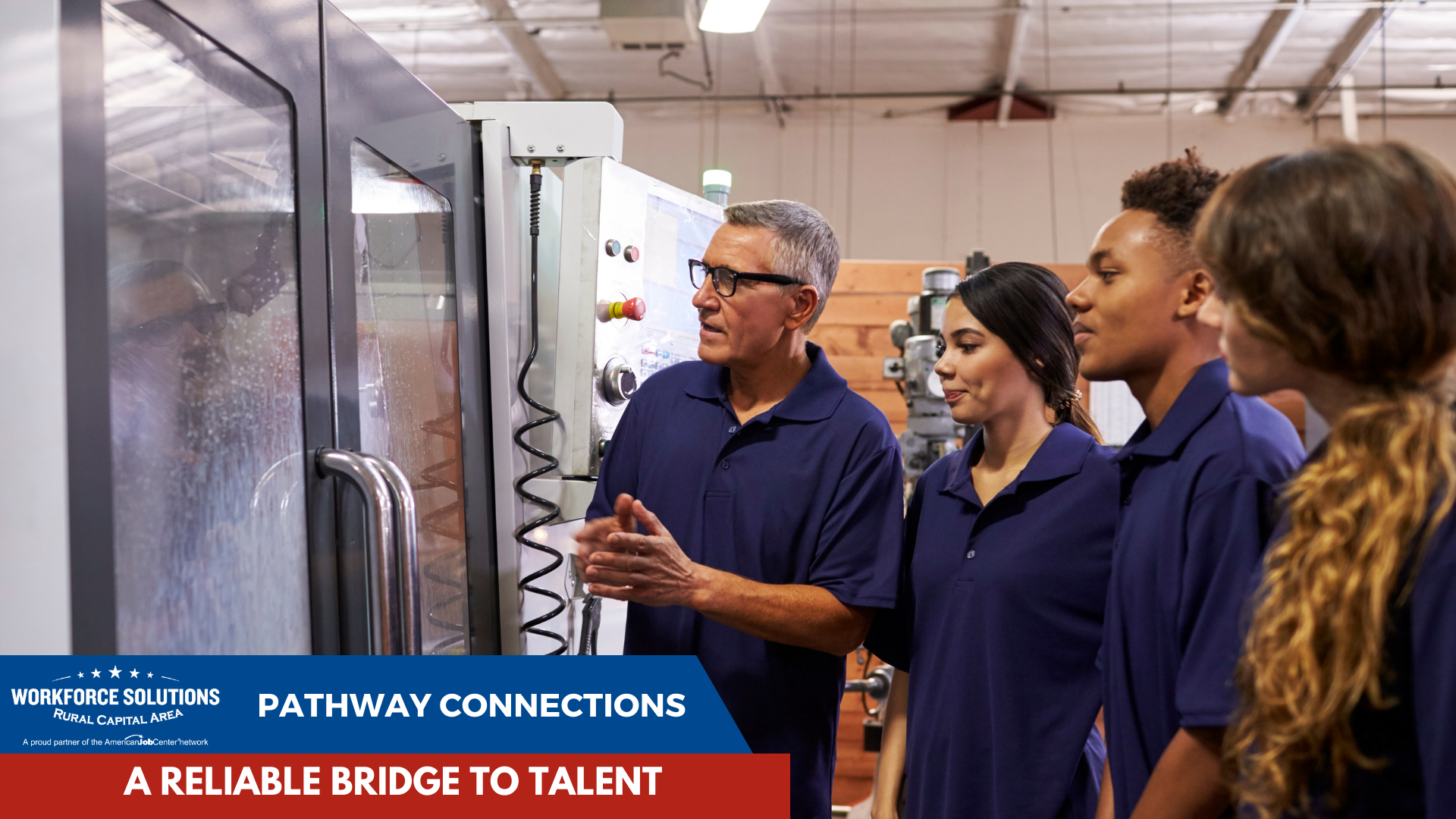
Connecting Classrooms to Careers

In the ever-evolving world of work, connecting the right talent with the right opportunities is crucial. We're here to bridge the gap between employers seeking highly skilled professionals and students eager to embark on high-paying, fulfilling careers.

The Pathway Connection program is designed to forge workforce pathways for Central Texas students in high-demand fields through collaboration with a variety of industry and community partners across the region. 

Those partners include: 

  • K12: Career and Technical Education Directors, Teachers, Counselors, Principals, and Superintendents
  • Workforce Stakeholders: Employers, Industry Associations, Chambers of Commerce, and Economic Development
  • Higher Education: Colleges, Universities, and Technical Training Providers
WSRCA Pathway Connections

Targeted industries within the program include:

  • Advanced Manufacturing
  • Healthcare
  • Skilled Trades
  • Information Technology

Empowering Employers with Exceptional Talent

Discover a reservoir of highly skilled, knowledgeable, and capable professionals ready to drive your business forward. Our K-12 community collaboration ensures that Central Texas employers have seamless access to a diverse talent supply chain curated for success.

Paving the Way for Student Success

For high school and college students, the road to a bright future starts here. Our high-quality workforce training programs open doors to high-skill, high-wage job opportunities, setting you on a path to success from day one.

Together, We Thrive

In this networked village, we believe in the power of collaboration. Employers meet talent, students find opportunities, and together, we build a thriving community where everyone succeeds.

Join us in shaping the future of work. Let's create a world where potential knows no bounds.

Click to Contact the Pathway Connections Team

Work-Based Learning Q&A

Work-Based Learning (WBL) is an educational strategy that integrates real-world work experiences with classroom learning. It provides students with opportunities to apply academic and technical skills in a workplace setting, giving them a chance to gain practical experience and develop competencies that are valuable in the workforce.

There are several different forms of Work-Based Learning, including:

  1. Internships: These are temporary positions where students work for an organization, typically during the summer or a semester break. Internships can be paid or unpaid and may offer academic credit.
  2. Apprenticeships: Apprenticeships are structured training programs that combine on-the-job training with related classroom instruction. They are usually sponsored by employers, employer associations, or labor-management groups.
  3. Cooperative Education (Co-op) Programs: Co-op programs provide students with the opportunity to work part-time or full-time in a job related to their field of study while also taking classes. Co-op programs are often arranged through partnerships between educational institutions and employers.
  4. Service Learning: While not strictly a form of Work-Based Learning, service learning integrates community service with academic instruction, focusing on critical, reflective thinking and personal and civic responsibility. It's a way for students to learn and develop through active participation in thoughtfully organized service experiences.
  5. Externships and Job Shadowing: These are short-term, often unpaid experiences where students observe professionals in their workplaces. Externships and job shadowing provide insights into specific industries or roles.

Overall, Work-Based Learning is a valuable component of education that bridges the gap between classroom instruction and practical application in the workforce.

Work-Based Learning from an employer's perspective involves integrating students or participants into the workplace in a way that allows them to gain hands-on experience, contribute to projects, and develop their skills.

Here's what this might look like on a day-to-day basis for an employer:

  1. Orientation and Onboarding:
    • At the start of the WBL program, employers typically provide an orientation to familiarize participants with the workplace, company culture, and safety protocols.
    • They may go through an onboarding process, which includes paperwork, introductions to team members, and an overview of the company's policies and procedures.
  2. Task Assignments:
    • Employers assign tasks and projects to participants based on their skill levels, interests, and the needs of the company.
    • These tasks may range from basic administrative work to more specialized projects related to the participant's field of study.
  3. Supervision and Mentorship:
    • Employers designate a supervisor or mentor to oversee the participant's work and provide guidance and feedback.
    • The supervisor may meet regularly with the participant to discuss progress, answer questions, and provide additional training or resources.
  4. Collaboration and Teamwork:
    • Participants are often integrated into teams or workgroups, allowing them to collaborate with colleagues on projects and gain exposure to different aspects of the business.
  5. Training and Development:
    • Employers may provide specific training sessions or workshops to enhance the participant's skills in areas relevant to their role.
    • This could involve technical training, soft skills development, or industry-specific knowledge.
  6. Feedback and Performance Evaluation:
    • Regular feedback sessions help participants understand their strengths and areas for improvement. This feedback can be essential for their growth and development.
  7. Networking Opportunities:
    • Employers may facilitate opportunities for participants to network with other employees, attend meetings or events, or even interact with clients or partners.
  8. Problem-Solving and Critical Thinking:
    • Participants may be involved in problem-solving activities, either individually or as part of a team. This could involve identifying and addressing challenges within the company.
  9. Exposure to Industry Tools and Technology:
    • Participants may have the chance to work with industry-specific tools, software, or technology that are relevant to their field of study.
  10. Professional Development Opportunities:
    • Some employers offer additional professional development opportunities, such as workshops, seminars, or conferences, to further enhance the participant's skills and knowledge.
  11. Integration into Company Culture:
    • Participants become part of the company's culture, attending meetings, events, and possibly social activities with other employees.
  12. Evaluation and Documentation:
    • Employers may maintain records of the participant's performance, which can be useful for providing references or documenting their experience for future opportunities.

Overall, Work-Based Learning provides a structured framework for employers to mentor and develop future talent while receiving valuable contributions from motivated participants. It's a dynamic process that can vary depending on the industry, company, and specific goals of the program.

Work-Based Learning (WBL) from a school's perspective involves coordinating and overseeing programs that integrate real-world work experiences with academic learning. Here's what it might look like for a school:

  1. Program Development:
    • The school works with industry partners, employers, and possibly local workforce development agencies to design and develop WBL programs. This includes identifying suitable placements, setting learning objectives, and establishing assessment criteria.
  2. Curriculum Integration:
    • The school aligns the WBL program with the existing curriculum to ensure that students can apply what they learn in the classroom to their work experiences. This integration can involve mapping learning outcomes and providing academic support.
  3. Student Preparation:
    • The school prepares students for their work-based experiences. This may include workshops on workplace etiquette, safety training, and guidance on how to make the most of the opportunity.
  4. Matching Students with Placements:
    • The school coordinates with employers to match students with suitable work placements based on their interests, career goals, and educational background. This may involve site visits and interviews.
  5. Monitoring and Support:
    • Throughout the WBL program, the school monitors students' progress in both the workplace and the classroom. They provide support and guidance to ensure students are meeting their learning objectives.
  6. Communication with Employers:
    • The school maintains regular communication with employers to address any concerns, provide updates on student progress, and gather feedback on the program's effectiveness.
  7. Supervision and Mentorship:
    • The school may appoint teachers or staff members to act as mentors or supervisors for students during their work placements. These individuals provide additional support and guidance.
  8. Assessment and Evaluation:
    • The school evaluates students' performance in both the workplace and the classroom. This assessment may include observations, evaluations from employers, written reflections, and academic assignments related to the work experience.
  9. Reflective Practice:
    • The school encourages students to reflect on their experiences through journals, presentations, or discussions. This helps students process their learning and identify areas for growth.
  10. Professional Development for Educators:
    • Teachers and school staff involved in WBL programs may receive additional training or professional development to effectively mentor and support students.
  11. Integration of Feedback:
    • The school uses feedback from employers, students, and teachers to make improvements to the WBL program for future cohorts.
  12. Celebrating Achievements:
    • The school recognizes and celebrates the achievements of students who successfully complete their work-based experiences. This could be through awards, certificates, or special events.
  13. Maintaining Partnerships:
    • The school works to maintain strong relationships with employers and industry partners, ensuring continued support for the WBL program and potentially expanding opportunities for students.

Overall, from a school's perspective, Work-Based Learning involves careful planning, coordination, and support to provide students with meaningful and relevant work experiences that complement their academic learning. It's about creating a bridge between education and the workforce that prepares students for future success.

Work-Based Learning looks different for high school and college students, but it generally involves a blend of classroom instruction and hands-on work experience. Here's what it might look like on a day-to-day basis for each:

High School Student:

  1. Morning Classes:
    • High school students typically attend regular classes in the morning, covering subjects like math, science, English, and other core subjects.
  2. Afternoon Work Placement:
    • In the afternoon or on specific days, the student goes to their work placement. This could be an internship, apprenticeship, cooperative education program, or another form of work-based experience.
  3. Orientation and Training:
    • At the start of the work placement, the student receives an orientation to the workplace. They learn about safety procedures, company policies, and expectations.
  4. Hands-On Experience:
    • The student engages in practical, hands-on tasks related to their chosen field. This could include clerical work, lab experiments, customer service, or technical projects.
  5. Supervision and Mentorship:
    • The student is typically assigned a supervisor or mentor at the workplace. This person provides guidance, monitors progress, and offers feedback.
  6. Skill Development:
    • Through their work-based experiences, the student develops a range of skills, both technical and soft. These could include communication, problem-solving, teamwork, time management, and technical skills related to their specific field.
  7. Reflection and Journaling:
    • The student may be encouraged to keep journals or logs to reflect on their experiences. This can help them process what they're learning and identify areas for growth.
  8. Integration of Academic Concepts:
    • The student often finds that what they learn in the classroom becomes more meaningful and relevant when they can apply it directly in a real-world setting.
  9. Networking Opportunities:
    • Depending on the work placement, the student may have the chance to meet and interact with professionals in their chosen industry. This can lead to valuable connections and potential future opportunities.
  10. Problem-Solving and Critical Thinking:
    • The student may encounter challenges in the workplace that require them to think critically and come up with solutions.
  11. Feedback and Evaluation:
    • Employers or supervisors provide feedback on the student's performance. This feedback can be used to identify strengths and areas for improvement.

College Student:

  1. Flexible Schedule:
    • College students in WBL programs often have a more flexible schedule, which can accommodate part-time or full-time work.
  2. Course Load and Work Hours:
    • College students balance their academic coursework with their work hours at the job site. Some may have work placements during the day, while others might work evenings or weekends.
  3. Integration with Academic Program:
    • WBL programs are typically integrated into the student's academic curriculum. This means that the work experience aligns with their field of study.
  4. Internships and Co-ops:
    • College students often participate in internships or co-op programs, which provide substantial work experience in their chosen field.
  5. Research and Projects:
    • Some college students engage in research projects as part of their WBL experience, working closely with faculty members or industry professionals.
  6. Advanced Skill Development:
    • College-level WBL often involves more specialized and in-depth tasks, allowing students to further develop their technical skills.
  7. Networking and Career Development:
    • College students have opportunities to network with professionals, attend industry events, and even secure job offers as a result of their WBL experiences.
  8. Professional Development:
    • Colleges may offer workshops, seminars, or courses that complement the student's work-based experiences, enhancing their knowledge and skills.

Overall, Work-Based Learning for high school and college students aims to bridge the gap between classroom education and practical application in the workforce. It provides valuable opportunities for skill development, networking, and career exploration. The specific day-to-day experiences can vary depending on the institution, program, and the nature of the work placement.

Work-Based Learning offers various benefits to students, higher education institutions, and employers:

Benefits to Students:

  1. Real-World Experience: Students gain practical experience in a professional work environment, allowing them to apply theoretical knowledge acquired in the classroom.
  2. Skill Development: They develop both technical and soft skills, including communication, problem-solving, teamwork, and adaptability, which are highly valued by employers.
  3. Career Exploration: WBL provides opportunities for students to explore different industries and job roles, helping them make informed career decisions.
  4. Networking: Students have the chance to build professional networks, potentially leading to job offers or mentorship opportunities.
  5. Resume Enhancement: Work-Based Learning experiences enhance students' resumes and make them more competitive in the job market.
  6. Increased Confidence: Successfully completing WBL programs can boost students' confidence in their abilities and career aspirations.
  7. Academic Relevance: Students often find that their classroom learning becomes more relevant and meaningful when they can connect it to real-world applications.
  8. Academic Credit: In some cases, students can earn academic credit for their work-based experiences, which can help them progress toward their degree.

Benefits to Higher Education:

  1. Improved Student Outcomes: WBL can lead to higher student engagement, retention, and academic performance.
  2. Enhanced Curriculum: Institutions can use feedback from employers to improve and update their curricula to align with industry needs and trends.
  3. Increased Relevance: WBL makes education more relevant and practical, aligning it with the demands of the job market.
  4. Stronger Relationships with Employers: Collaborating with employers to offer WBL programs can strengthen partnerships and lead to additional opportunities for the institution.
  5. Higher Placement Rates: Graduates with WBL experience are often more attractive to employers, leading to higher rates of job placement after graduation.
  6. Competitive Advantage: Institutions that offer robust WBL programs can attract more students and remain competitive in the higher education landscape.

Benefits to Employers:

  1. Talent Pipeline: Employers can identify and develop a pool of potential future employees with the skills and knowledge needed for their industry.
  2. Cost Savings: Some WBL programs allow employers to assess potential hires before committing to full-time employment, reducing recruitment costs.
  3. Fresh Perspectives: Students bring fresh ideas and perspectives to the workplace, contributing to innovation and creativity.
  4. Productivity and Efficiency: Students can assist with tasks and projects, increasing productivity and efficiency within the organization.
  5. Employee Development: Supervising students in WBL programs can help current employees develop leadership and mentorship skills.
  6. Community Engagement: Participating in WBL programs demonstrates a commitment to the community and fosters positive relationships with educational institutions.
  7. Brand Enhancement: Companies involved in WBL programs often gain a positive reputation for supporting education and workforce development.

Work-Based Learning benefits students by providing practical experience and skill development, higher education by improving student outcomes and relevance, and employers by building a talent pipeline and enhancing their workforce. It's a win-win-win approach that contributes to the growth and development of individuals, educational institutions, and the business community.

Pathway Leadership Team Members

Meet the team helping us develop Pathways in Central Texas to Connect Classrooms to Careers:

Dave Porter

Dave Porter

Executive Director, Williamson County Economic Development Partnership

Ted Groholske

Ted Groholske

Workforce Development Manager at Greater San Marcos Partnership

Peggy Mica

Peggy Mica

Assistant Director, Round Rock ISD Career & Technical Education

Adena Lewis

Adena Lewis

Director, Bastrop County Tourism & Economic Development

DeDe Griffith

DeDe Griffith

Vice President of Workforce Development, Temple College

Donald Tracy

Donald Tracy

Director, Corporate & Community Education, Austin Community College, Continuing Education Division

Corina Zepeda

Corina Zepeda

Director of Industry Relations, Texas State Technical College

Jorge Lopez

Jorge Lopez

Director of Continuing Education, Texas State University
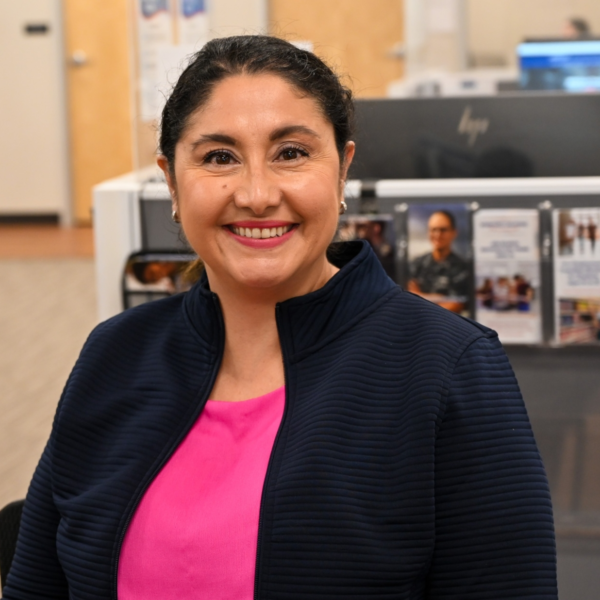
Yvonne Lopez

Yvonne Lopez

Managing Director

Yvette Lacsina

Yvette Lacsina

Career Pathways Program Manager, Community Action, Inc. of Central Texas

Amy Mizcles

Amy Mizcles

Vice President for Williamson County, United Way for Greater Austin

Susannah Mikulin

Susannah Mikulin

Executive Director, Fayette Community Foundation

  Chat with us
  Chat is loading
  Chat not available