
5 Things You Need to Know About Apprenticeships

Posted by: Brian Hernandez
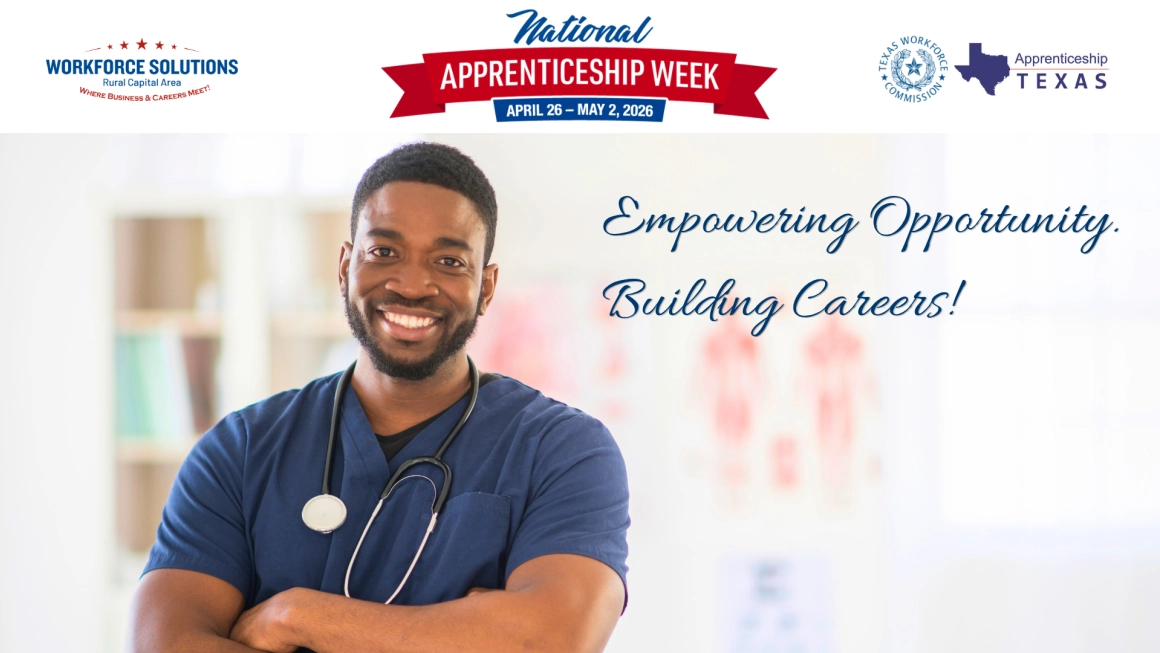
National Apprenticeship Week is a great time to rethink what a career pathway can look like.
If you’ve ever thought apprenticeship was limited to a few trades or wasn’t a fit for today’s economy, it’s time to take another look.
Here are five things you should know.
1. You Can Earn While You Learn
This is what sets apprenticeships apart.
You’re not choosing between a paycheck and building skills. You get both.
From day one, participants are employed, earning wages while gaining real-world experience that leads to long-term career growth.
2. These Aren’t Just Trade Jobs Anymore
Apprenticeships have expanded far beyond traditional roles.
Today, you’ll find programs in:
- Healthcare
- Information technology
- Advanced manufacturing
- Business and finance
- Public service
The model works anywhere skills matter, and that’s nearly every industry.
3. Registered Apprenticeships Are Built for Results
Registered Apprenticeships follow a proven structure.
They include:
- A defined training plan
- Wage increases tied to skill progression
- Industry-recognized credentials
- A clear pathway to employment
It’s not guesswork. It’s a system designed to move people forward.
4. Employers Are Leading the Way
Apprenticeships are employer-driven.
That means training is built around real workforce needs, not assumptions.
For employers, this leads to:
- Stronger retention
- Better-trained teams
- A reliable pipeline of talent
Instead of searching for the “perfect candidate,” they’re developing them.
5. They Open Doors to Real Opportunity
Apprenticeships create access.
For recent graduates, career changers, veterans, and individuals reentering the workforce, this model removes barriers and creates a clear path forward.
It’s about meeting people where they are and helping them build something sustainable.
Why It Matters Now
The workforce is changing.
Costs are rising. Talent needs are shifting. And people are looking for options that make sense.
Apprenticeships meet this moment by connecting opportunity, training, and employment in a way that works for both individuals and employers.
During National Apprenticeship Week, it’s worth asking a simple question.
What if the best path forward isn’t the one we’ve always talked about, but the one that actually works?