
AI Isn’t Just Changing Tech Jobs. It’s Changing What Employers Value

Posted by: Brian Hernandez
For a long time, career security followed a fairly predictable formula. Earn a degree, build experience, learn the systems used in your industry, and settle into a career path expected to remain relatively stable for years.
That model is changing quickly.
Artificial intelligence is accelerating one of the largest workforce shifts in decades, and the impact reaches far beyond the technology sector. While headlines often focus on layoffs at major tech companies, the bigger story is happening across the broader economy. Employers are rethinking what makes someone valuable in the workplace, and the answer increasingly comes down to adaptability.
The Shelf Life of Skills Is Shrinking
The reality is many technical skills now have a shorter shelf life than they did even five years ago.
Software changes faster. Automation handles repetitive tasks more efficiently. AI tools can now generate reports, organize data, write code, assist with customer service, and streamline workflows that once required significant manual effort.
That doesn’t mean people are becoming less important.
In many ways, the opposite is happening.
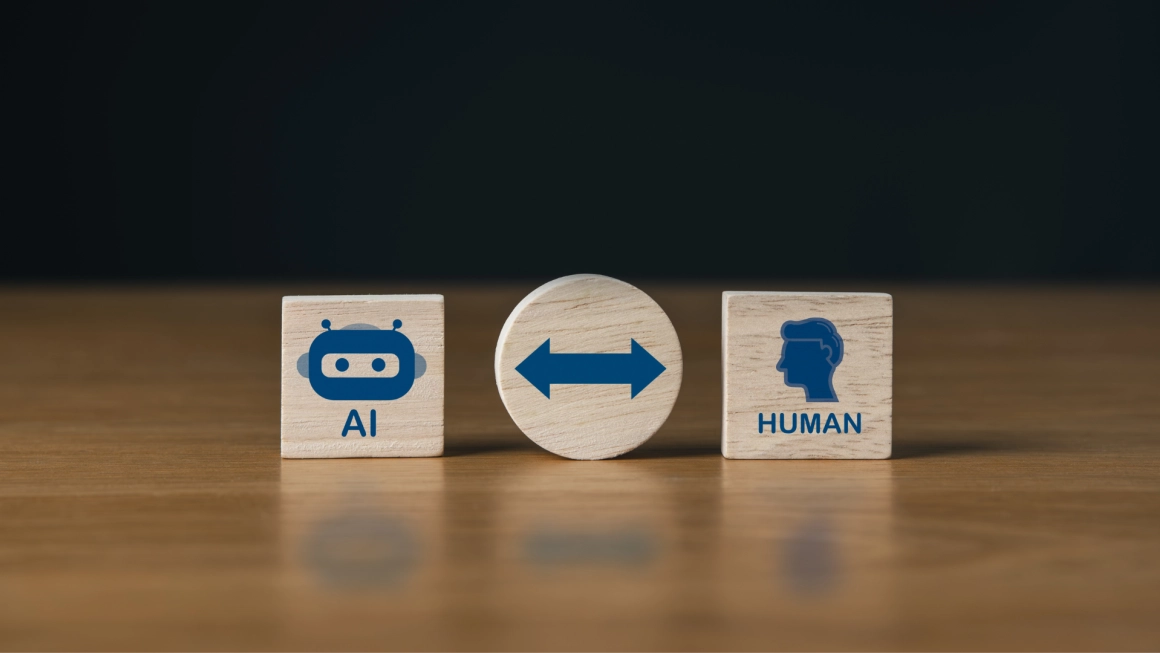
As technology becomes more capable, employers are placing greater value on workers who can combine technical knowledge with human judgment, communication, problem-solving, and real-world execution. The workforce is shifting toward people who know how to work alongside technology instead of competing against it.
The Rise of Hybrid Skill Sets
Think about advanced manufacturing.
Today’s production environments rely heavily on automation, robotics, sensors, and digital systems. But someone still has to troubleshoot equipment, interpret system alerts, maintain machinery, communicate with teams, and keep operations moving when something unexpected happens.
The person who understands both the software and the physical equipment becomes incredibly valuable.
Healthcare offers another example. AI can help analyze data faster than ever before, but patients still need nurses, technicians, therapists, and healthcare professionals who can think critically, communicate clearly, and respond to human needs in real time. Technology may support the work, but people still drive outcomes.
The same pattern is emerging across logistics, construction, skilled trades, education, and public service. Employers aren’t simply searching for workers who can follow a process anymore. They’re looking for people who can adapt as processes continue changing.
Degrees Still Matter, But They’re No Longer the Only Signal
That’s why conversations around workforce development are increasingly shifting from degrees alone toward skills, flexibility, and continuous learning.
Degrees still matter and remain essential in many professions. This isn’t about replacing higher education or diminishing its value. It’s about recognizing that workforce readiness now comes from multiple pathways.
Employers increasingly value:
- Certifications
- Apprenticeships
- Technical training
- On-the-job experience
- Demonstrated capability
- Communication skills
- Adaptability
At the same time, many companies are realizing they can’t wait for the “perfect” candidate to appear fully trained. The labor market moves too fast for that.
Instead, employers are investing more heavily in upskilling, internal training, apprenticeships, and workforce partnerships that help employees grow alongside changing technology.
Marketability Now Depends on Adaptability
That shift creates opportunity for workers willing to remain marketable.
And marketability today looks different than it used to.
It’s no longer enough to learn one system and expect it to carry an entire career. Workers increasingly benefit from continuously building new skills, staying informed about emerging technology, improving communication abilities, and developing the flexibility to work across different tools and environments.
The good news is this doesn’t require reinventing yourself overnight.
Most career resilience now comes from steady learning over time. Sometimes that means earning a certification. Sometimes it means becoming more comfortable with new software. Sometimes it means strengthening leadership or communication skills that technology still struggles to replicate.
Honestly, career development today looks a little more like updating apps on your phone than buying a device once and never touching it again.
Human Skills Are Becoming More Valuable
Ironically, as AI becomes more powerful, many deeply human skills are becoming even more valuable.
- Problem-solving.
- Adaptability.
- Critical thinking.
- Communication.
- Leadership.
- Relationship building.
Those abilities remain difficult to automate and increasingly important across industries.
The workers who combine technical knowledge with strong interpersonal skills are becoming some of the most valuable people in the labor market.
What This Means for the Rural Capital Area
In the Rural Capital Area, this workforce evolution matters because the region continues growing across healthcare, advanced manufacturing, logistics, construction, skilled trades, education, and technology.
Employers need workers who can evolve alongside changing industries, and workers need pathways that help them continue building relevant skills throughout their careers.
That’s why investments in Registered Apprenticeships, technical education, workforce certifications, community college partnerships, and upskilling programs continue growing in importance. These pathways help workers gain practical experience while staying connected to the changing needs of employers.
The workforce isn’t disappearing.
It’s rebalancing.
And in a rapidly changing economy, the people most likely to thrive may not simply be the ones with the most credentials. They’ll likely be the people willing to keep learning, keep adapting, and keep growing alongside the tools shaping the future of work.