
The Half Life of a Job Skill: Why Standing Still Is the Fastest Way to Fall Behind

Posted by: Brian Hernandez
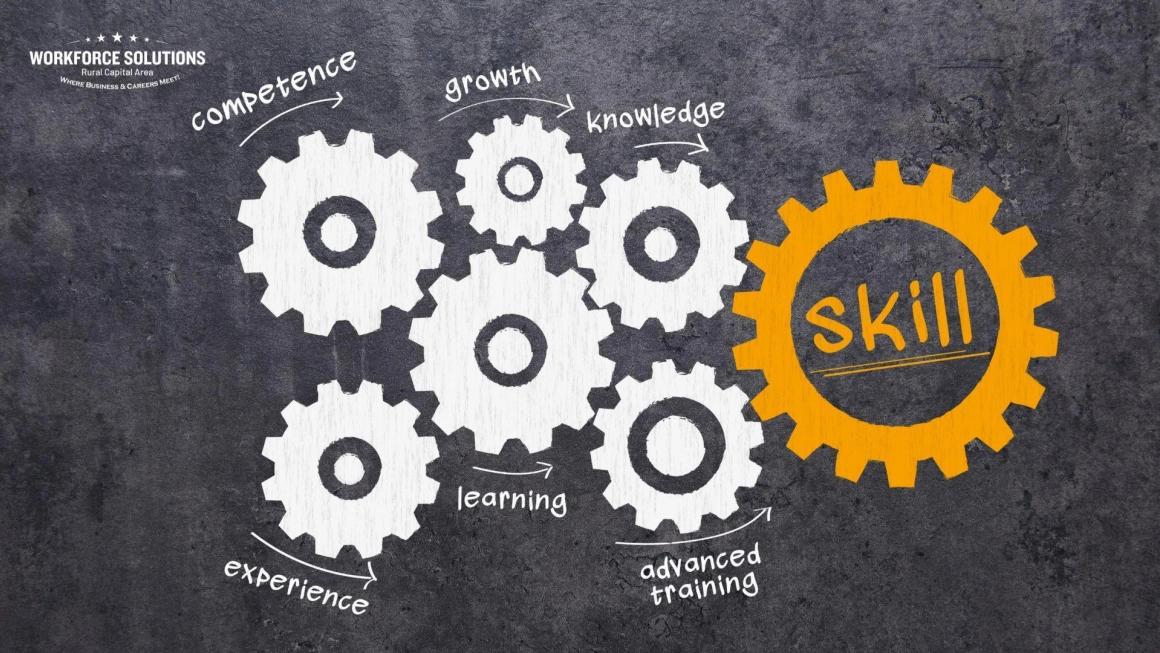
Not long ago, learning a skill meant you were set for decades. You learned a trade, earned a credential, or mastered a process, and that knowledge carried you through most of your career.
That world’s gone.
Today, job skills have a half life. Just like in science, that half life’s shrinking fast. Many skills lose half their value in as little as 3 to 5 years. In some fields, it’s even faster.
The reason’s simple. Technology’s moving quicker than people are retraining. And artificial intelligence is accelerating that gap.
What Does the Half Life of a Skill Really Mean
The half life of a job skill is the amount of time it takes for that skill to become only half as valuable in the labor market.
Think about tasks that were once in high demand:
- Manual data entry
- Basic bookkeeping
- Routine customer service
- Entry level analysis and reporting
- Repetitive manufacturing processes
AI, automation, and smarter software can now do much of this work faster, cheaper, and around the clock. Employers aren’t eliminating jobs just to eliminate jobs. They’re redesigning work.
The roles that remain demand something different.
AI Isn’t Replacing Workers. It’s Replacing Outdated Skills
This is the part of the conversation that often gets missed.
AI isn’t coming for people. It’s coming for tasks.
Workers who rely on the same tools, the same methods, and the same credentials they earned years ago are the most vulnerable. Not because they aren’t capable, but because the market’s moved on.
Employers today are looking for workers who can:
- Adapt to new technology
- Learn continuously
- Combine technical skills with problem solving and communication
- Use AI as a tool, not compete against it
Those who keep learning stay relevant. Those who don’t risk being left behind.
The Cost of Standing Still
The biggest career risk right now is doing nothing.
Wages stagnate when skills stagnate. Opportunities narrow when experience isn’t paired with growth. And layoffs hit harder when a role’s built on tasks that can be automated.
This affects every industry:
- Healthcare roles are evolving with new technology and care models
- Skilled trades now require digital diagnostics and advanced equipment knowledge
- Office and administrative roles demand stronger technical and analytical skills
- Transportation and logistics rely more on technology than ever before
The message from employers is clear. They need talent that can grow with the job.
This Is Where Workforce Development Matters
This is exactly where we step in.
Our job isn’t to fill programs. Our mission’s to strengthen the local economy by developing talent for employers and empowering Texans to thrive through rewarding, sustainable careers.
We help people stay competitive by helping them upskill.
That means:
- Identifying in demand occupations where skills are evolving, not disappearing
- Connecting job seekers to training aligned with what employers actually need
- Helping workers build skills that stack and grow over time
- Reducing financial barriers through tuition assistance when available
- Providing career coaching so people understand not just what to learn, but why
We focus on workforce outcomes, not enrollment.
Upskilling Is No Longer Optional
Upskilling used to be a nice to have. Today, it’s a must have.
Whether you’re early in your career, mid career, or thinking about what comes next, the question’s the same.
Are your skills gaining value or losing it?
If the answer isn’t clear, that’s a signal to act.
Staying Marketable Is a Shared Effort
Employers are investing in technology. Workers must invest in themselves. And that’s where a strong public workforce system makes the difference.
We work alongside businesses, educators, and community partners to make sure training’s practical, relevant, and accessible. Especially in rural communities where opportunity shouldn’t depend on your zip code.
Seeing our neighbors succeed is the prize.
The Bottom Line
AI will continue to change how work gets done. That’s not a threat. It’s a reality.
The real risk is falling behind because your skills didn’t keep pace.
The good news is this. Skills can be learned. Careers can be strengthened. And competitive advantage can be rebuilt.
You don’t have to navigate that alone.
That’s what we’re here for.