
Working Together to Strengthen Bastrop County's Workforce

Posted by: Brian Hernandez
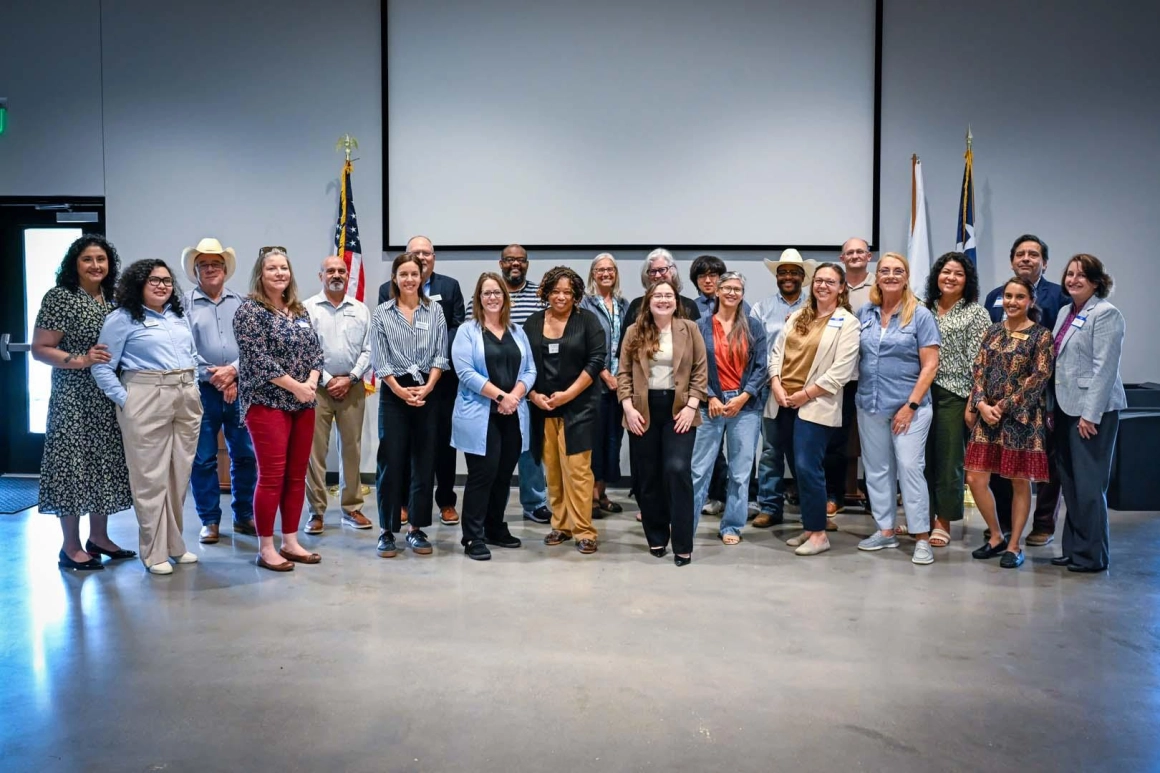
Building a strong workforce isn't something any one organization can do alone.
It takes employers, educators, workforce professionals, economic developers, elected officials, community organizations, and countless other partners working toward a shared vision. That's exactly what brought leaders together today at the Bastrop County Community Center for the 2026 Bastrop County Workforce Alignment Meeting hosted by Workforce Solutions Rural Capital Area (WSRCA).
The purpose of the meeting was simple: strengthen communication, build partnerships, and ensure workforce initiatives across Bastrop County complement one another rather than operate in isolation.
As one of the fastest-growing counties in Central Texas, Bastrop County has no shortage of opportunity. The challenge is making sure the systems that support workforce development grow alongside it.
Growth Is Changing the Conversation
Bastrop County continues to attract new residents, businesses, and investment at an impressive pace.
Recent labor market data shows the county's population has grown by nearly 30% since 2019, reaching more than 120,000 residents in 2025. Looking ahead, another 23,000 residents are projected to move to the county by 2030. Employment has also grown by more than 20% over the past five years, with additional job growth expected in the years ahead.
Those numbers tell a powerful story.
People want to live here. Employers want to invest here. Communities continue to expand.
At the same time, growth creates new demands on workforce systems. Employers need talent. Residents need access to training and career pathways. Communities need the infrastructure and support systems that allow people to fully participate in the workforce.
Meeting those needs requires coordination.
Workforce Challenges Don't Exist in Silos
One of the key themes throughout today's discussion was that workforce development touches nearly every aspect of community life.
Talent attraction and retention are connected to housing availability. Workforce participation is influenced by access to child care and transportation. Educational outcomes affect long-term economic competitiveness. Employer success depends on a reliable pipeline of skilled workers.
No single organization owns those challenges.
That's why workforce alignment matters.
When schools, employers, chambers of commerce, economic development organizations, local governments, workforce partners, and community organizations communicate regularly and share information, they create stronger outcomes than any one organization could achieve on its own.
Preventing Duplication and Expanding Impact
Bastrop County is fortunate to have many organizations investing time, energy, and resources into workforce-related initiatives.
Today's meeting focused on identifying opportunities to better connect those efforts.
The goal isn't for everyone to do the same work.
The goal is to ensure partners understand where efforts overlap, where gaps exist, and where collaboration can produce better results. When organizations align around shared priorities, resources stretch further, services become easier to navigate, and employers experience a more coordinated workforce system.
Alignment doesn't mean reducing local innovation.
It means making sure good work happening across the county is connected to a broader strategy that advances opportunity for everyone.
Understanding the Workforce Behind the Numbers
While growth remains strong, workforce data highlights several opportunities that require ongoing attention.
The county's labor force exceeds 56,000 workers, and unemployment remains relatively low. At the same time, employers across industries continue to compete for talent in a rapidly growing regional economy.
The county's largest employment sectors include education, government, healthcare, retail, restaurants, and construction. These industries play a critical role in supporting both residents and businesses throughout the community.
Migration trends also continue to shape the local workforce. Thousands of new residents move into Bastrop County from neighboring communities each year, particularly from Travis County, reinforcing the county's growing role within the broader Central Texas economy.
These trends create tremendous opportunity, but they also reinforce the need for long-term workforce planning and regional collaboration.
Local Leadership Matters
We extend our sincere thanks to Bastrop County Judge Gregory Klaus, Bastrop Mayor Ishmael Harris, and all of the employers, educators, workforce professionals, elected officials, and community leaders who participated in today's discussion.
Their willingness to engage, share perspectives, and collaborate demonstrates the kind of leadership needed to prepare for continued growth and future workforce demands.
Strong communities are built when leaders come together around common goals and focus on solutions that benefit residents, businesses, and families alike.
Moving Forward Together
Today's meeting was not the end of a conversation. It was another step in an ongoing effort to strengthen workforce alignment throughout Bastrop County and the Rural Capital Area.
At WSRCA, we believe the strongest workforce systems are built through partnership. When organizations communicate openly, coordinate efforts, and focus on shared outcomes, communities are better positioned to respond to growth and create opportunity.
That's what workforce alignment is all about.
Not doing more work, but working better together.
And as Bastrop County continues to grow, that collaboration will be more important than ever.